Standing in front of a bottle labelled Tamjanika, Žilavka or Vranac for the first time gives you nothing to hold on to: those names still say little in Austria, and there is no Grüner Veltliner on the label to steer by. Yet these wines are easier to place than they look – you only need to know roughly where they belong.
Four names worth remembering
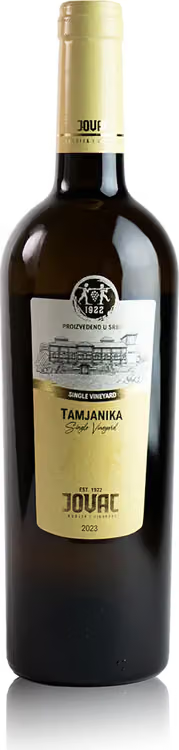
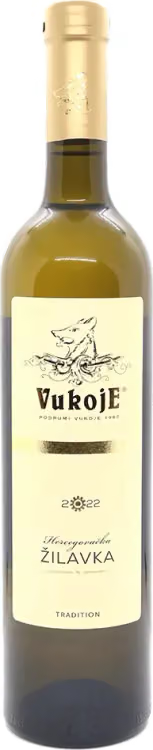
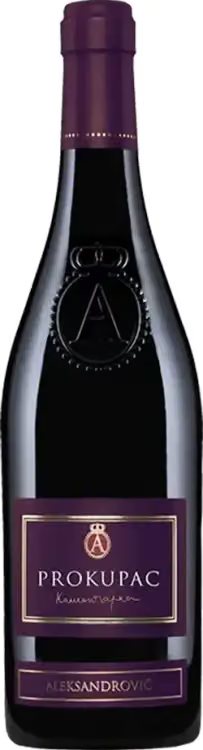
Tamjanika is a form of Muscat Blanc à Petits Grains and has been at home in Serbia for centuries. It smells floral and citrusy, but is almost always made dry – anyone expecting something sweet from the word Muscat is in for a pleasant surprise. Žilavka comes from Herzegovina around Mostar: fresh, herbal, distinctly mineral. Prokupac is Serbia's traditional red, medium-bodied, with bright acidity and aromas of cherry and plum. Vranac, by contrast, is dark and powerful, the heavyweight among the region's varieties.
White wine: fish, poultry and Kasnudeln
With pan-fried fish, seafood and light starters, Jovac Tamjanika works very well; the producer recommends it chilled at 7 to 10 °C with fish and goat cheese. Carinthian Kasnudeln filled with curd and mint are a surprisingly good match for this grape: the floral aroma picks up the mint instead of fighting it.
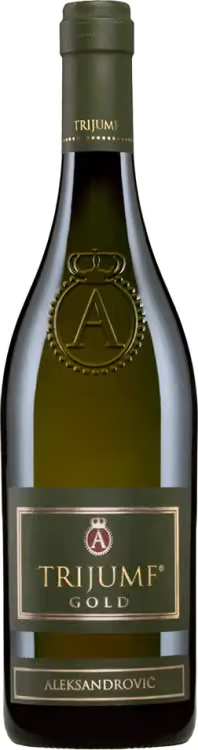
Hercegovačka Žilavka, with its notes of vineyard peach and herbs, is fuller in the glass and therefore handles dishes with butter or cream – baked carp, trout meunière, mushroom dishes. And Trijumf Gold, a Sauvignon Blanc based blend, is recommended by the winery specifically with seafood, fish, white meat and creamy goat cheese. More bottles sit under white wine.
Schnitzel, Backhendl and roast pork
Anything breaded calls for acidity, which clears the palate between bites. For Wiener Schnitzel and Backhendl, then, reach for a fresh dry white such as the Tamjanika or Trijumf Gold. If you prefer rosé, Varijanta Rosé is recommended with ham, cheese and grilled dishes and is built fuller than most rosés – it copes with roast pork and chops as well.
With Prokupac you are right between light and heavy. This grape suits everything off the grill or out of the pan where there is not much sauce involved: ćevapčići of course, but equally roast pork, Tafelspitz with apple horseradish, or a paprika stew.
Game, goulash and braises
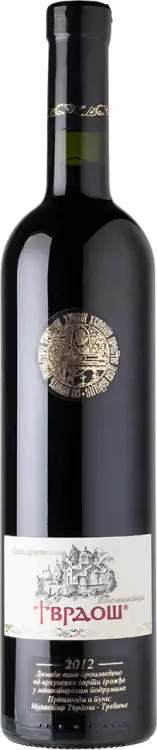
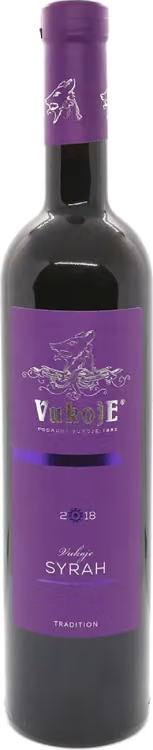
With venison, deer and wild boar the wine may carry far more weight. Vranac Tvrdoš, matured for 24 months in old monastery casks, brings dried cranberry and ripe cherry and stands up to a dark sauce. Vukoje Syrah is recommended by the winery with game, steak, roast beef, duck and gorgonzola sauces, and served at 16 °C; its peppery note works well in game dishes with juniper and lingonberry.
For beef goulash or a braised roast either will do – what matters is less the grape than the weight in the glass. More choice sits in the red wine category.
Cheese and something sweet
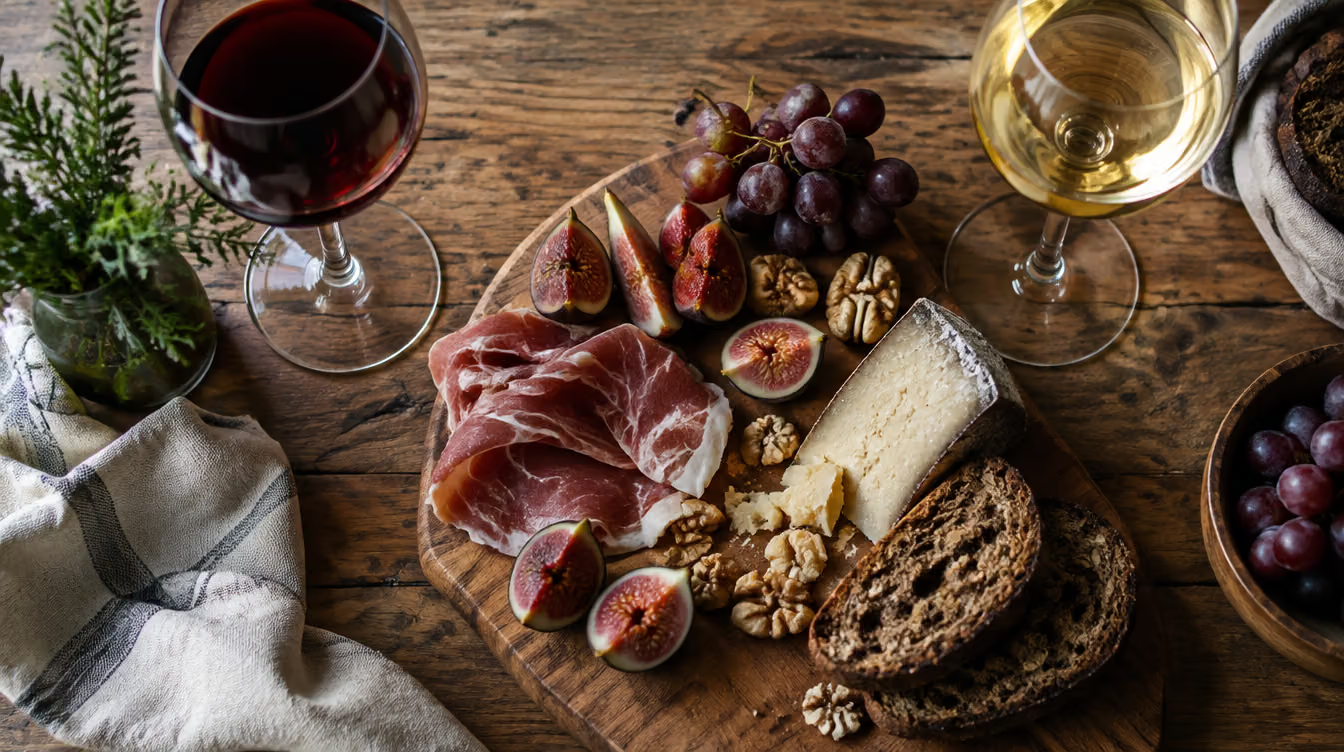
Hard cheeses like mountain cheese, Emmental or Gouda go with matured reds, while goat and fresh cheeses suit the aromatic whites. Blue cheese is a special case: it needs sweetness as a counterweight. That is what Trijumf Late Harvest from Traminer is for, and with its notes of honey, fig and tropical fruit it also holds its own beside apple strudel or Kaiserschmarrn.
Temperature and glassware
The commonest mistakes happen not when choosing the grape but when pouring. As a rule of thumb:
- Sparkling wine: 6 to 8 °C.
- Light white and rosé: 8 to 10 °C.
- Fuller white: 10 to 12 °C.
- Light red such as Prokupac: 14 to 16 °C.
- Full red such as Vranac or Syrah: 16 to 18 °C.
Room temperature today usually means 22 °C, which is too warm for any red – twenty minutes in the fridge does it good. Two glasses are plenty: a slimmer one for white and rosé, a rounder one for red, both filled only to just below the widest point so the aroma can gather. Hold it by the stem, or your hand warms the wine. The whole range is under wine.
We sell alcoholic beverages only to persons aged 18 and over.