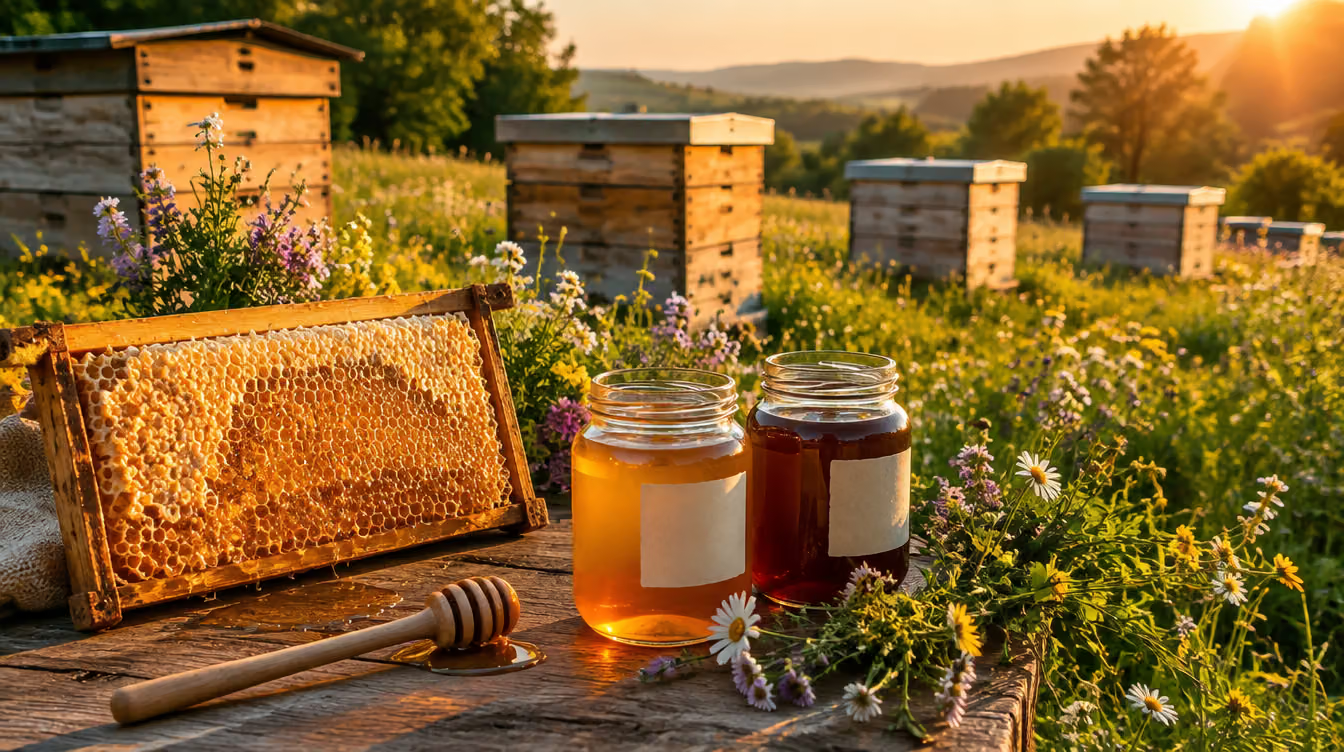
Honey is not simply honey. Between a pale acacia honey and an almost black forest honey lies a world of difference – in colour, in flavour, and in how long each stays liquid. Under our own label, Medinarium, we offer several varieties of honey along with a range of other bee products. Here is a short guide before you choose.
Acacia honey: pale, mild, liquid for a long time
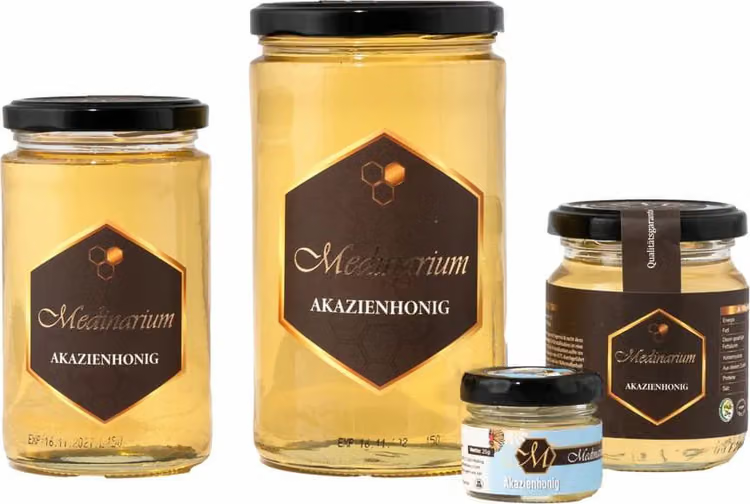
Acacia honey comes from the nectar of the black locust blossom and is the palest we carry: nearly water-clear to light gold. The flavour is very mild and floral, with no sharpness at all, which makes it the obvious choice for anyone who finds honey too assertive, and for children. Because it naturally holds more fruit sugar than grape sugar, it stays liquid for a long time and pours easily from the spoon. We also carry it with walnuts.
Linden honey: the scent of early summer
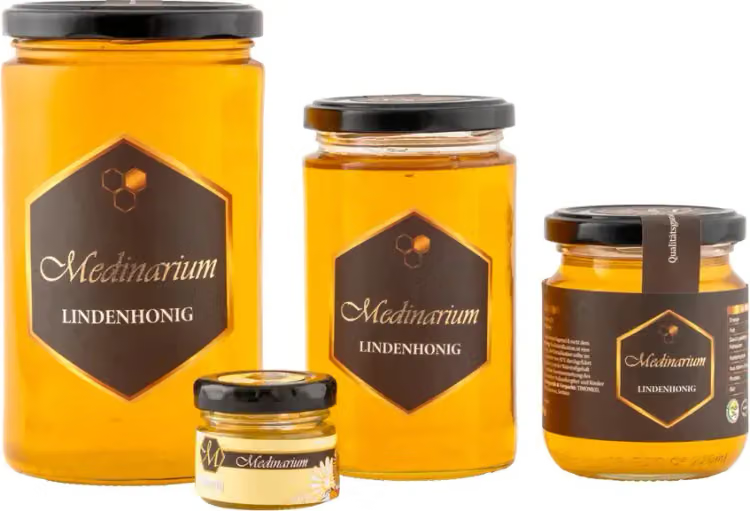
When the lime trees flower, a whole village smells of it, and that is exactly what you find in linden honey. Freshly extracted it often has a faint greenish cast that turns to light yellow over time. The taste is noticeably stronger than acacia, floral with a fresh, almost minty edge and a pleasant light bitterness at the finish. It crystallises faster than acacia, usually into a fine to medium grain.
Forest honey: dark and resinous
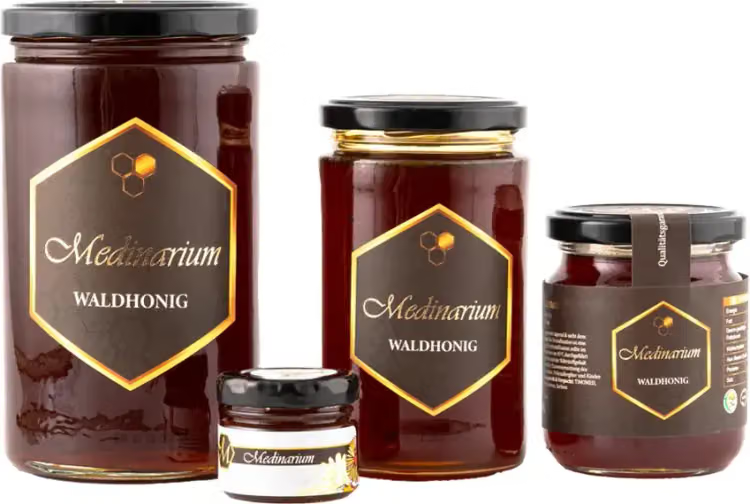
Forest honey is not a blossom honey in the strict sense. The bees gather honeydew, the sugary sap that insects leave on conifers and broadleaf trees. The result is dark brown to almost black with reddish glints in the jar, and it tastes malty, resinous and distinctly less sweet than blossom honey. Since it contains little grape sugar, it too stays liquid a long while. If you like honey with cheese, start here.
Blossom honey: the summary of one summer
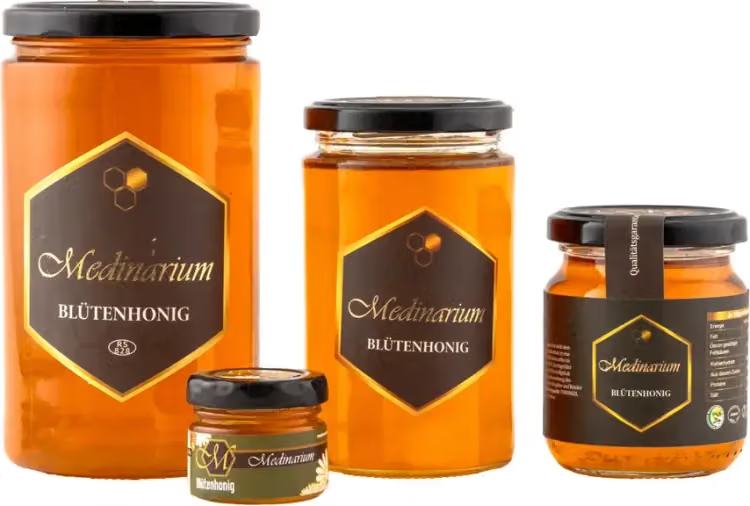
Blossom honey is a mixed honey made from whatever is flowering around the hive – fruit trees, meadow herbs, clover. It is mid-gold, full in the mouth, with a rounded classic honey note, and of all our varieties it is the first to crystallise. That is no fault, by the way: crystallisation is a natural process and a sign that the honey has not been heated hard. To make it spreadable again, stand the jar in a lukewarm water bath, no hotter than about 40 °C, or the aroma suffers.
Comb honey, wild berries, propolis, pollen and perga
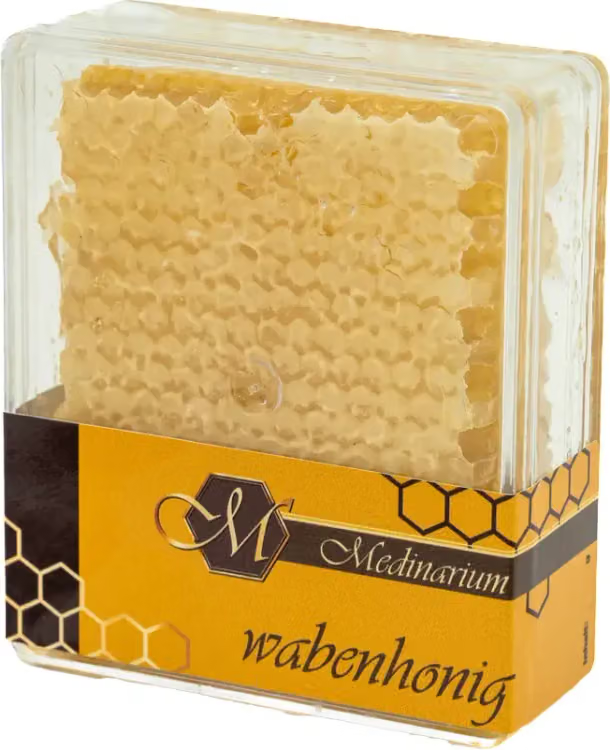
With comb honey you get the product exactly as the bees built and capped it. Cut off a piece and eat the comb along with it; the wax stays behind as a chewable remainder. It looks wonderful on a cheeseboard and makes a gift people rarely receive – we also have it in a wooden box.
Then there are our jars of wild berries in honey: wild raspberries, wild strawberries, wild blackberries and wild blueberries – whole small fruits steeped in honey, lending it their acidity.
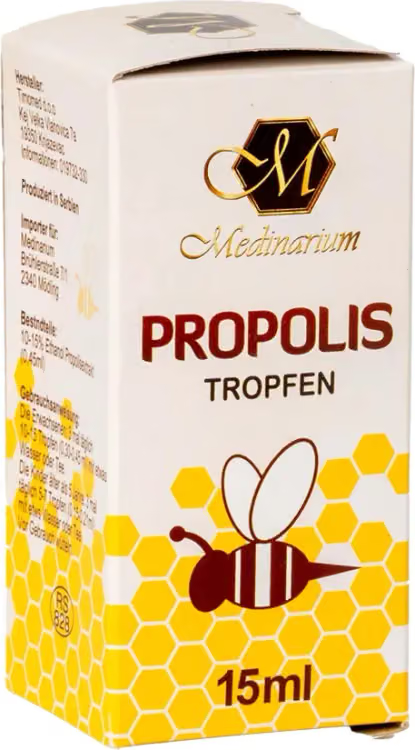
Three more products come from the hive itself. Propolis is the resin bees collect from buds and use to seal their home; it is astringent and resinous in taste and is traditionally used by the drop. Flower pollen consists of the coloured granules bees carry home on their hind legs – crunchy, slightly bitter, with a floral sweetness. Perga, also called bee bread, is pollen that the bees pack into the comb and leave to ferment: darker, more crumbly and more sour than fresh pollen.
Storing it, using it
Honey likes to be cool, dark and dry, ideally at room temperature and tightly closed. It does not belong in the fridge. It picks up other smells, so keep it away from onions and spices, and always use a dry spoon.
In the kitchen it is more versatile than most people allow: on buttered bread and in yoghurt, of course, but also in a dressing with mustard and vinegar, in a marinade for roast vegetables, with blue and hard cheese, over warm pancakes, in gingerbread dough. It goes into tea only once the tea has cooled, otherwise you lose precisely what you bought it for. For the runnier varieties such as acacia and forest honey, a wooden honey spoon earns its keep.